
Creative career advice for people with bipolar disorder
Advice on having diverse income streams and making the most of your creativity

Oil Slick 1 by Sean Crosslind
On a warm Saturday morning I started packing my bags for California. I was leaving Liverpool for a job as a concept artist at Naughty Dog, having financed a new iPad Pro and Apple Pencil in preparation for the role. Except there was no job in California — it was a delusion experienced during a manic episode, and I was now stuck with a £70 a month bill for this new equipment I definitely couldn’t afford.
One of the most damaging things I do when manic is spend, spend, spend — but this time, when I stabilised, I was determined to make something of this new opportunity. Although I’ve been a designer for 12 years, I hadn’t practiced any ‘art’ since I was in school, but having a jolt of hypomania helped me get over the hump of being scared to create and before I knew it, I’d made 20 or so pieces in Procreate.
Two years later I’ve sold 10,000 art prints.
Portfolio careers
With bipolar disorder, you will always be vulnerable to extended periods of time when you can’t work. When this happens, being reliant on an hourly wage will cause unnecessary stress that can exacerbate your illness. Without the benefit of a nest egg, we need ways to make money from multiple sources without having to exchange time for money. It’s also worth considering part-time salaried work so you don’t burnout, and to use some of the idea’s below to supplement your income.
Selling Art
It’s a common trope among bipolar people that we can experience prolonged periods of creativity that neuronormative people may never have. If this applies to you, there are a number of ways your artistic expression can be monetised.

Oil Bright VII by Sean Crosslind
Selling prints / wall art
There are two main ways to do this.
If you want to retain control over pricing, customer service and marketing, you can sell through your own website using products like Squarespace, Shopify and Wix, or use platforms like Saatchi, Etsy and Big Cartel. The advantage to this approach is you’ll make a lot more profit per item sold, but you’ll have to invest money into advertising your products as well the effort required to print and ship orders. Saatchi is a great platform for those selling original canvases or sculptures rather than digital art.
Sell through print on demand services who take care of everything for you. You usually earn a fixed commission per item sold, but once you’ve uploaded your work you can just sit back and receive your monthly sales payment. The competition for peoples attention is so difficult that most of theses platforms only accept carefully curated applications. The best partners in my opinion are Fy! and Artfinder.
Selling print on demand products
You can also use your artwork to create various products like T-shirts, mugs, clothing, notebooks, cushions and bedding.
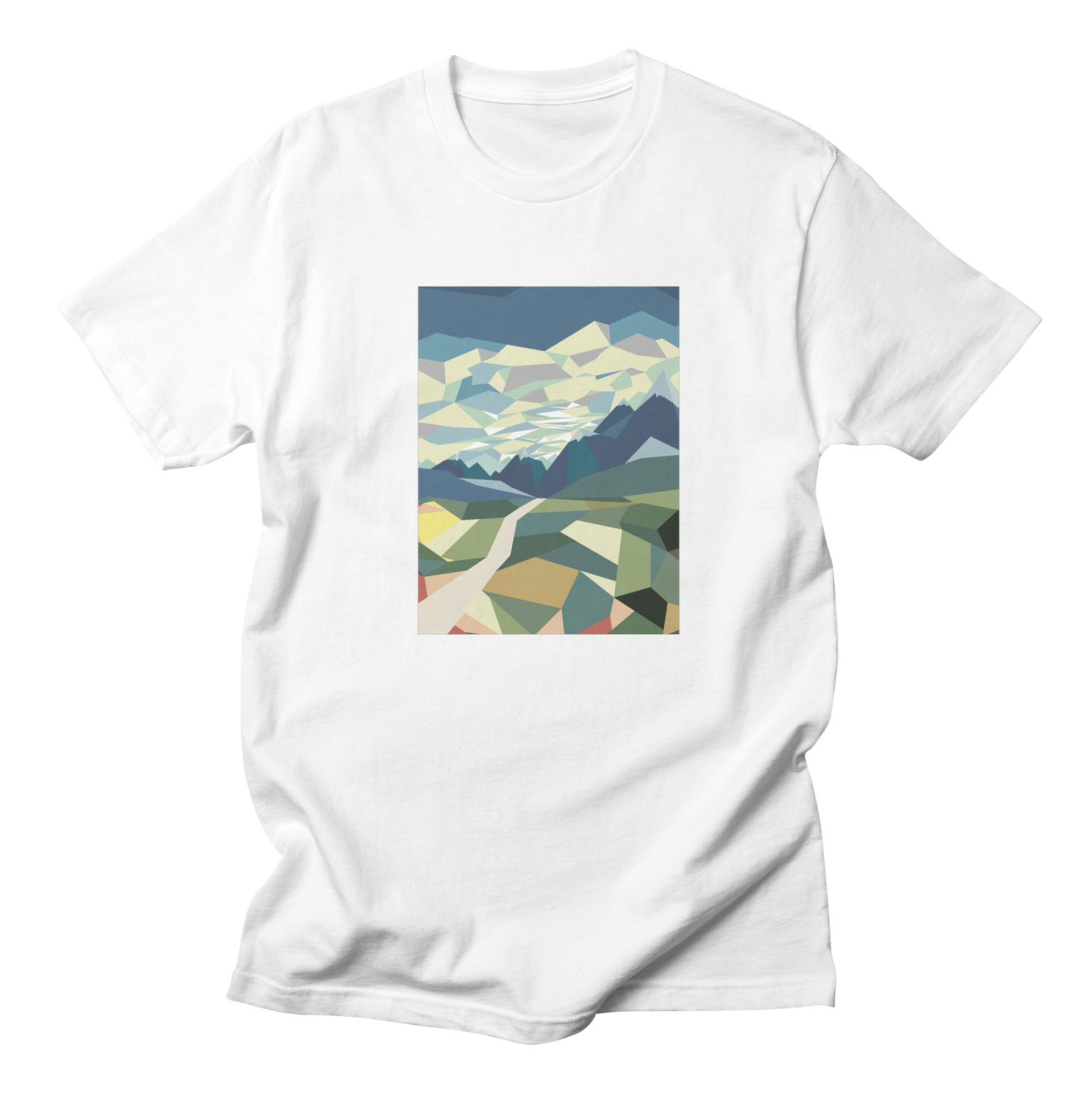
Abstract Alpine T-Shirt by Sean Crosslind
My favourite services for print on demand products are Threadless and Printful. Printful is especially handy as it integrates into Shopify and Squarespace to auto-fulfil orders for you.
Print on demand is a mixed bag for people with mental health disorders. Most platforms don’t market your work for you, so you won’t see any sales unless you put the effort in to market your products. I find this process particularly draining so have had limited success with this income stream. Threadless run competitions that can see your work being featured on the site.
Selling creative assets
If you’re someone who works in the design industry, you’ll be familiar with using stock assets from places like iStock, Shutterstock or Adobe Stock.These can be great places to sell your illustrations and icons, but you’ll only make very small amounts per sale requiring a huge portfolio to contribute a decent amount to your income. Instead, I suggest looking at creative marketplaces that earn you much higher commissions such as Design Cuts, Creative Market and Envato. These sites primarily sell assets such as textures, fonts, brush packs, social media, website and presentation templates.
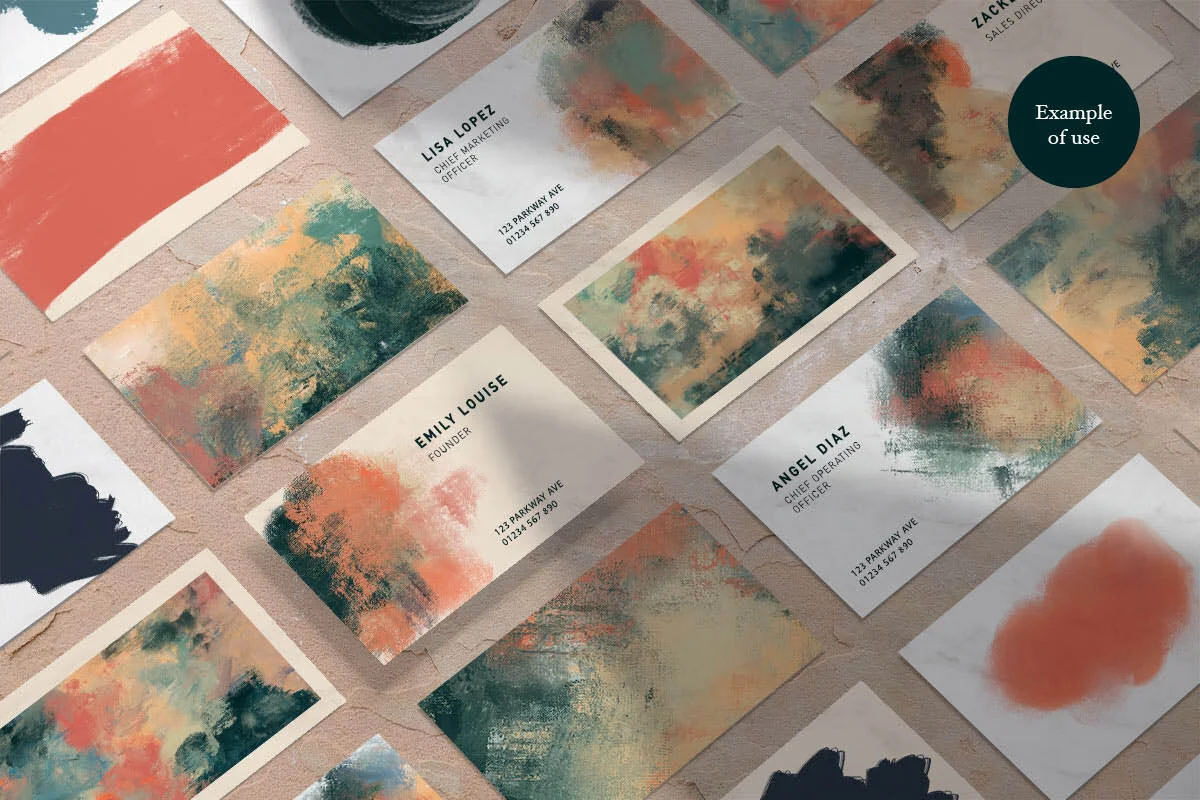
Autumn Oil Paint Textures by Sean Crosslind
Selling stock photography and video
If you express yourself through imagery, then selling stock photography could be a no brainer. Most photographers have hard-drives full of images that never quite made it to Instagram that could be of use to someone else. It’s a good idea to look at trends in demand for themes stock website users are underserved by. Some stock sites, like Getty, post regular briefs of what content they want for the future.
Stock video used to be a more lucrative income source than photo’s, but many stock sites are moving towards all-inclusive subscription models and contributor royalties are taking a hit. Good places to sell stock video are:
There’s also a company called BlackBox that will handle the distribution of your video’s to all the major stock sites on your behalf. This reduces the incredible amount of time it can take to create metadata for all the various stock platforms and means you can collect your payments from one place, with BlackBox taking a small cut for the service.
Licensing music
For artists that make music, apart from the big streaming services like Spotify and Apple Music, there are plenty of music licensing sites that provide music to YouTubers, filmmakers and wedding professionals. Some sites require exclusive agreements but that’s becoming less common. The price of music for online use has come down significantly in the last few years to meet the value markets are willing to pay, so it won’t make you rich. If this sounds like a good fit for you, have a look at these platforms:
Other ideas
I’ve not written about anything I’ve not tried for myself, the last thing I would want to do is send someone down the wrong path. Perhaps none of the above idea’s are a good fit for you, but they inspire a different idea that makes your life a little better. Let me know if that’s the case and I’ll write an updated version of this article. To help inspire some other income streams here’s a list of idea’s I’ve contemplated but not put into action:
Jewellery
Dropshipping
Writing (Medium can pay!)
Christmas ornaments
Bespoke furniture
Shoe decoration
Family portraits